6 Min Read
If you’ve started researching backyard homes in Dallas, you’ve probably seen both terms:
ADU.
Mother-in-law suite.
Some websites use them interchangeably.
Some say they’re different.
And the City of Dallas uses language that sounds completely different from both.
Understanding the difference matters, especially in Dallas, where zoning rules, HOA restrictions, and permitting requirements can make or break your project.
Estate ADU serves the Dallas metroplex with tailored ADU solutions, meaning we're uniquely positioned as experts on this topic. This article is here to walk you through the basic vocabulary.
On this page:
- What Is an ADU?
- Types of ADUs in Dallas
- What Is a Mother-in-Law Suite?
- Dallas-Specific Rules: What Does the City Actually Allow?
- Complete ADU Glossary for Dallas Homeowners
- Frequently Asked Questions About ADUs in Dallas
What Is an ADU?
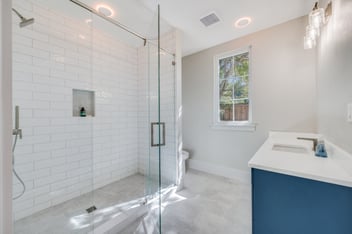
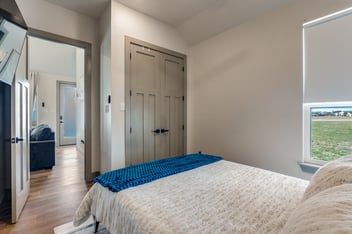
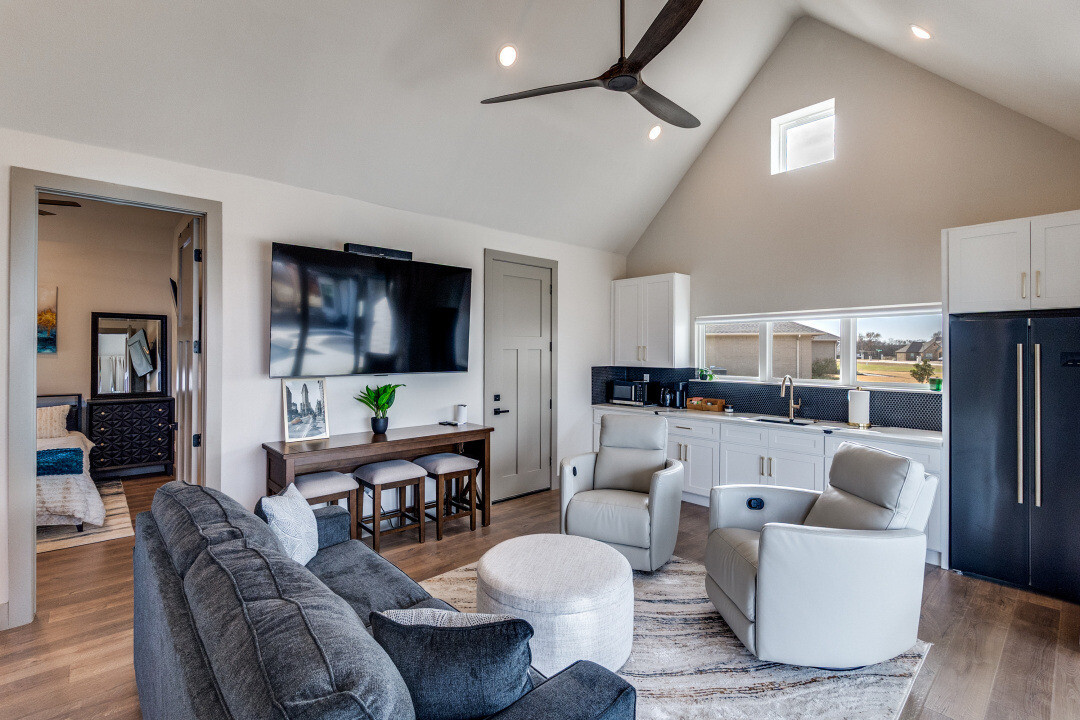
ADU stands for Accessory/Auxiliary Dwelling Unit. An ADU is a fully independent secondary housing unit built on the same lot as a primary residence. It’s a regulated structure under city code. In Dallas, an ADU must meet specific zoning, size, and permitting requirements to be legally approved. For a structure to qualify as an ADU in Dallas, it typically must include:
- A separate entrance
- A kitchen (or full cooking facilities)
- A bathroom
- A sleeping area
- Permanent utility connections
- Location on the same legal lot as the main home
If it doesn’t meet these criteria, it may not legally qualify as an ADU, even if it looks like one.
Types of ADUs in Dallas
Not all ADUs look the same. In fact, Dallas homeowners have several structural options.
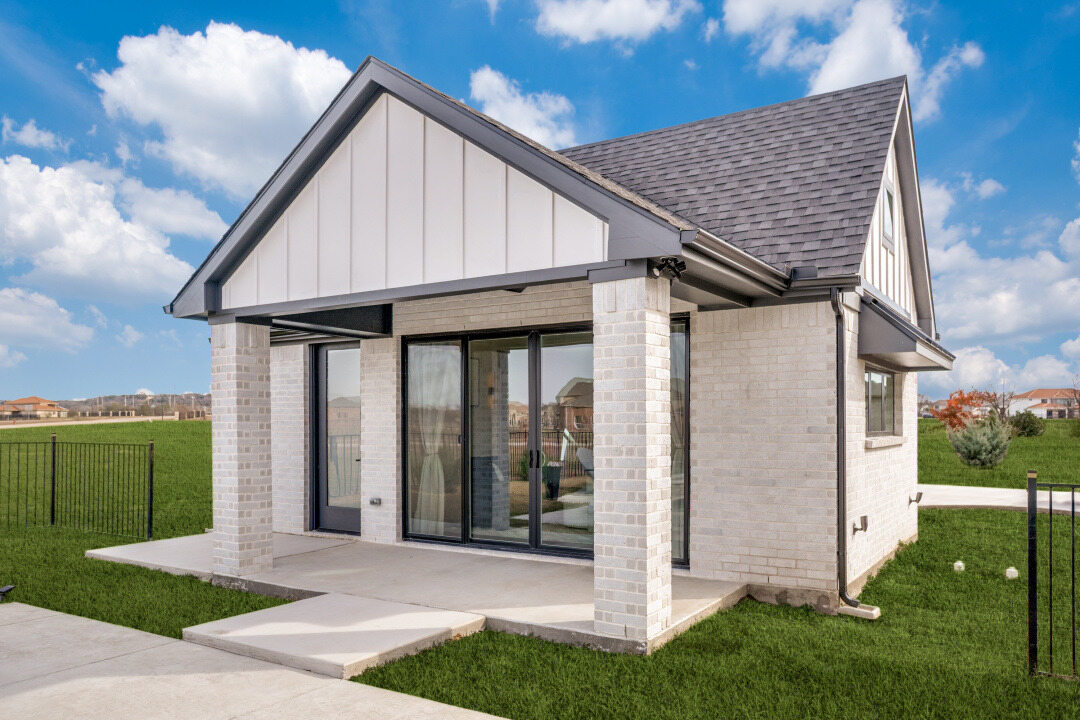
Detached ADU
A standalone structure built in the backyard. This is the most common type for families building space for aging parents. Often called:
- Backyard cottage
- Casita
- Granny flat
Attached ADU
An addition that shares at least one wall with the primary residence.
Garage Conversion ADU
An existing garage converted into a living space. In Dallas, this only qualifies as an ADU if it meets full building code requirements.
Above-Garage ADU
A living unit built over a detached garage. These are common in neighborhoods with alley access and larger lots.
Internal ADU
A converted section within the main home that functions independently.
These are less common but may be possible depending on layout and zoning.
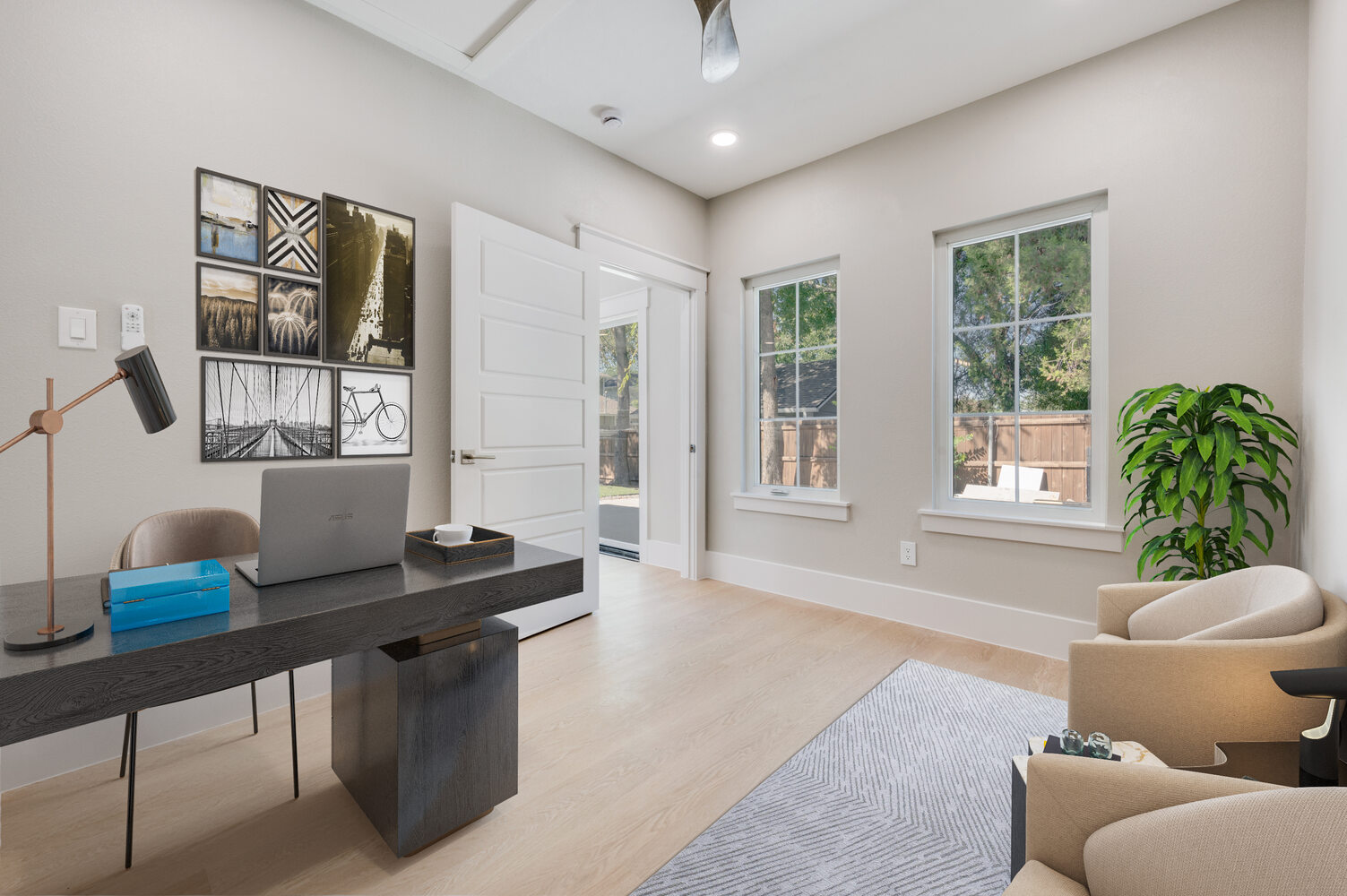
What Is a Mother-in-Law Suite?
A mother-in-law suite is a living space designed specifically for extended family, most commonly aging parents.
Unlike the term “ADU,” which comes from zoning and building code language, “mother-in-law suite” is a lifestyle term. It describes who the space is for, not how the city classifies it.
In Dallas, when homeowners say they want a mother-in-law suite, they usually mean:
- A private living space
- Separate bedroom and bathroom
- Often a small kitchen or kitchenette
- Close enough for support
- Separate enough for independence
For many families, it’s a practical alternative to assisted living. Instead of paying for long-term care facilities, they invest in a permanent structure that adds value to their property while keeping family close.
But here’s where confusion starts. A mother-in-law suite may qualify as an ADU. Or it may not.
When a Mother-in-Law Suite Is an ADU
If the space includes:
- A full kitchen
- A private entrance
- Independent living functionality
- Compliance with Dallas zoning and size requirements
Then it is legally considered an Accessory Dwelling Unit. In this case, the city doesn’t care who lives there. It’s regulated as a secondary dwelling structure.
When a Mother-in-Law Suite Is Not an ADU
Some homeowners build what they call a mother-in-law suite inside the main home. For example:
- A converted bedroom wing
- A finished garage without a kitchen
- A private suite without separate utilities
- An addition that shares all major systems
In these cases, the space may function as a mother-in-law suite, but it does not meet the legal criteria of an ADU. That distinction matters during permitting.
Dallas-Specific Rules: What Does the City Actually Allow?
In every municipality, one must build within zoning code. Before investing in architectural drawings, it’s critical to understand what’s legally permitted on your property.
Are ADUs Legal in Dallas?
Yes, but not everywhere, and not without restrictions. Dallas allows Accessory Dwelling Units in many residential zoning districts, but eligibility depends on:
- Zoning type (e.g., SF-3, SF-5, etc.)
- Minimum lot size
- Lot width
- Existing structure placement
- Neighborhood overlays
Some neighborhoods are more ADU-friendly than others. Others require additional approvals or design compliance.
Size Restrictions for Dallas ADUs
ADUs in Dallas are typically subject to:
- Maximum square footage limits
- Height restrictions
- Percentage of lot coverage
- Separation distance from the primary residence
In most cases, detached ADUs fall in the 500–750 square foot range, though exact limits vary by zoning classification.
Setbacks and Lot Coverage
Two of the most common issues homeowners run into are:
Setbacks – The minimum required distance between your structure and property lines.
Lot Coverage – The percentage of your lot that can be occupied by buildings.
Even if your backyard “looks big enough,” it may not meet setback requirements. This is one of the biggest reasons DIY plans fail during review.
Parking Requirements
Depending on zoning and district, Dallas may require:
- Additional off-street parking
- Alley access compliance
- Parking placement approval
In certain neighborhoods, parking rules can determine whether an ADU is approved.
Utility Requirements
ADUs must comply with city standards for:
- Water
- Sewer
- Electrical
- Drainage
Some projects require separate utility metering. Others allow shared connections depending on configuration.
HOA Restrictions
Even if the City of Dallas allows an ADU, your HOA may not. HOAs can:
- Restrict detached structures
- Limit square footage
- Control exterior design
- Require architectural review
HOA approval is separate from city approval, and both must be satisfied. Working with a team experienced in both city permitting and HOA negotiation significantly reduces friction.
Complete ADU Glossary for Dallas Homeowners
When researching backyard homes, you’ll encounter a mix of legal, architectural, and informal terms. Here’s a clear glossary to help you understand what each one actually means.
Accessory Dwelling Unit (ADU)
A secondary residential unit located on the same lot as a primary home. Must meet Dallas zoning and building code requirements.
Attached ADU
An ADU connected to the primary home by at least one shared wall but functioning as an independent living space.
Detached ADU
A separate, standalone structure built in the backyard of an existing home.
Mother-in-Law Suite
A living space designed for extended family. May or may not qualify legally as an ADU.
Granny Flat
A casual term for a small backyard residence, commonly used interchangeably with ADU.
Casita
Spanish for “little house.” Frequently used in Texas to describe detached backyard dwellings.
Garage Conversion
Transforming an existing garage into a living space. It only qualifies as an ADU if it meets full residential building standards.
Tiny Home
A small dwelling structure. Not all tiny homes qualify as ADUs, especially if they are built on wheels or not permanently affixed to a foundation.
Zoning
Municipal regulations that determine what type of structures can be built on a property and under what conditions.
Setback
The required minimum distance between a building and the property line.
Lot Coverage
The percentage of a property that can be covered by structures.
Building Permit
Official city approval required before construction begins.
Certificate of Occupancy
Final approval issued by the city confirming a structure is safe and compliant for residential use.
Secondary Dwelling
Another formal term used to describe an ADU.
Multigenerational Housing
A property designed to accommodate multiple generations of a family living independently but on the same lot.
Short-Term Rental (STR)
Renting a property for short stays, such as Airbnb. Often restricted in Dallas depending on zoning and neighborhood rules.
Primary Residence
The main home located on a property.
Feasibility Review
An early-stage evaluation to determine whether an ADU can legally and practically be built on a property.
HOA (Homeowners Association)
A governing body within certain neighborhoods that can impose additional building restrictions beyond city zoning laws.
Independent Living Unit
A structure that includes its own kitchen, bathroom, and living facilities separate from the main home.
Overlay District
A zoning layer applied to certain neighborhoods that may impose additional architectural or development rules.
Frequently Asked Questions About ADUs in Dallas
How much does it cost to build an ADU in Dallas?
In the Dallas–Fort Worth area, most ground-up ADUs fall in the range of:
$130,000–$190,000+, depending on:
- Size (typically 500–750 sq ft)
- Finish level
- Utility connections
- Site conditions
- Permitting complexity
View our detailed local cost guide for more comprehensive information.
Is it cheaper to build an ADU or pay for assisted living?
Many Dallas families discover that 18–24 months of assisted living costs can equal or exceed the cost of building an ADU. The key difference:
- Assisted living is an expense.
- An ADU is a permanent property improvement that can increase home value.
For families planning long-term care solutions, this comparison often shifts the conversation.
How long does it take to build an ADU in Dallas?
From design to completion, most projects take approximately:
6–9 months, depending on:
- Zoning review
- HOA approvals
- Permit timelines
- Construction complexity
City review and approval often add more time than construction itself.
What is the first step if I’m considering building an ADU?
The first step is feasibility and zoning review. Before investing in plans, homeowners should confirm:
- Zoning eligibility
- HOA requirements
- Lot compliance
- Utility feasibility
Serving Dallas–Fort Worth Homeowners with Custom ADUs
If you’re exploring an ADU as an alternative to assisted living or simply want to understand what’s possible on your property, the next step is a feasibility conversation.
Contact Us
Contact us to learn more about how to build an ADU in Dallas.