4 Min Read

For many Dallas families, building an accessory dwelling unit is not just about adding space. It is about creating a safe, comfortable home for a loved one who needs additional support while still maintaining independence.
ADUs are becoming a popular solution for families caring for children with disabilities, adults with developmental needs, or family members who benefit from a more accessible living environment. Being close to the main home provides peace of mind while still allowing privacy and autonomy.
However, designing an ADU for a special needs family member requires thoughtful planning. Small design decisions can make a major difference in safety, accessibility, and everyday comfort.
If you are considering an ADU for a loved one, here are some of the most important design priorities Dallas homeowners are focusing on in 2026.
- Step-Free Entry and Accessible Pathways
- Flexible and Adaptable Layouts
- Safe and Accessible Kitchens
- Accessible Bathroom Design
- Sensory-Friendly Finishes and Lighting
- Smart Home Technology for Independence
- Designing for Safety and Peace of Mind
- Frequently Asked Questions
- Planning a Special Needs ADU in Dallas
Step-Free Entry and Accessible Pathways
ne of the most important features in a special needs ADU is a completely step-free entrance.
Even small steps or thresholds can create barriers for individuals who use wheelchairs, walkers, or mobility aids. A zero-threshold entry makes it easier and safer for residents to move between indoor and outdoor spaces.
Many Dallas homeowners also plan the pathway from the main house to the ADU carefully. Smooth walkways, gentle slopes, and good lighting help ensure that family members can move safely between buildings.
Wide entry doors and hallways also make daily life easier. A slightly larger doorway may not seem important during construction, but it can dramatically improve accessibility long term.
If you are still exploring whether an ADU is possible on your property, it can help to review the Dallas permitting requirements first.
Flexible and Adaptable Layouts
Families often want an ADU that works well today while remaining adaptable for the future.
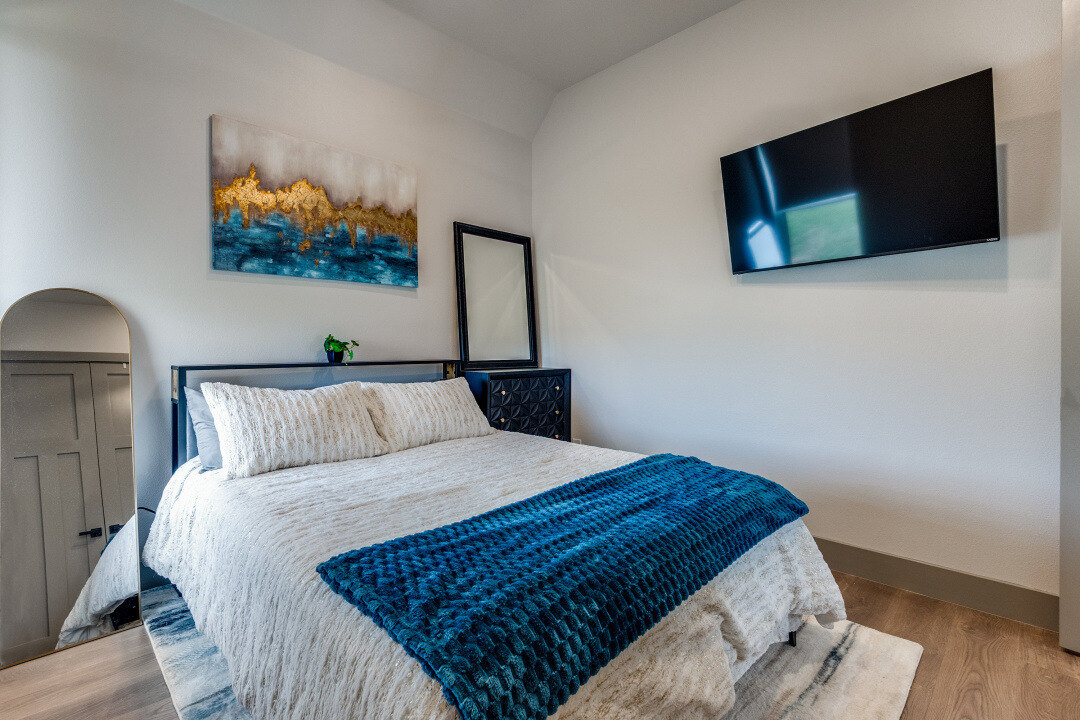
Needs can change over time, so designing a flexible layout helps the home evolve with the resident. Open floor plans with fewer tight corners make movement easier and allow furniture to be rearranged if mobility needs change.
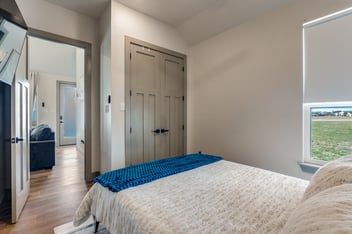
Some homeowners also include wider clearances around beds, seating areas, and workspaces. This allows caregivers or family members to assist when needed without making the space feel crowded.
Planning for adaptability during the design phase can prevent expensive renovations later.
Safe and Accessible Kitchens
A kitchen designed for accessibility can allow a resident to maintain independence while still staying safe.
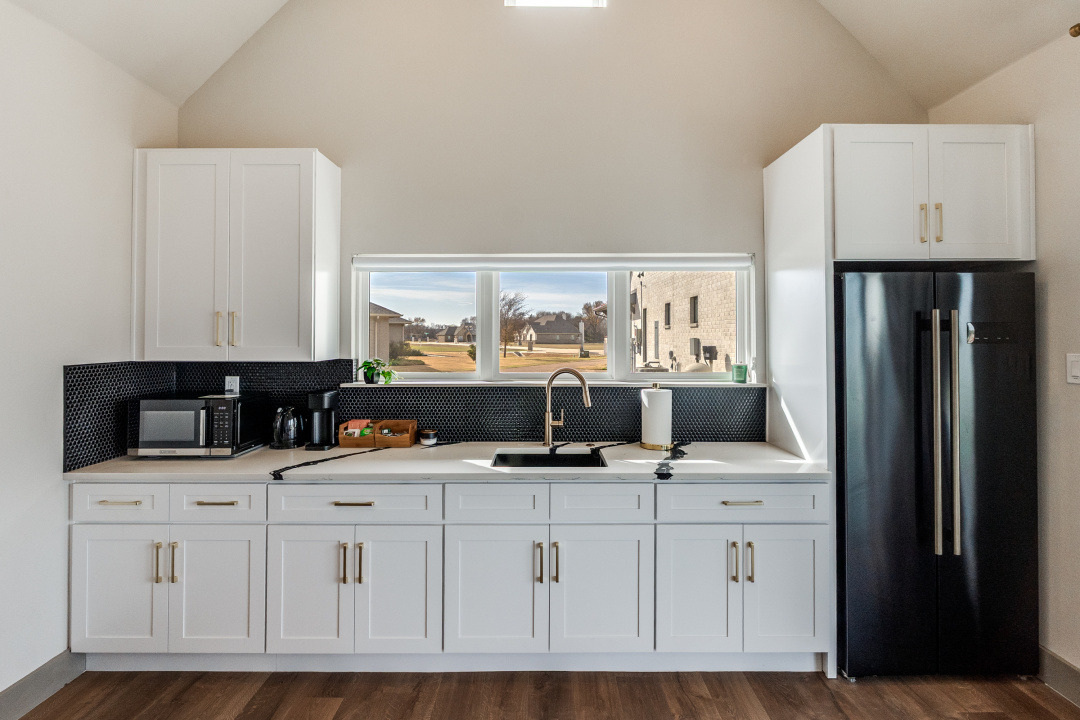
Many families choose lower countertops or adjustable counter heights so food preparation areas are comfortable to use. Pull-out shelves and drawers make storage easier to reach without bending or stretching.
Appliances also play a role in safety. Induction cooktops reduce burn risks because they heat the cookware rather than the surface itself. Wall ovens at reachable heights can make cooking safer than traditional ranges.
Simple design decisions like these help residents participate in daily routines while reducing potential hazards.
Accessible Bathroom Design
Bathrooms are one of the most important areas to design correctly when planning an ADU for a special needs family member.
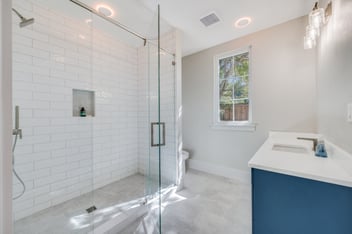
Curbless showers are a common feature because they eliminate the need to step over a threshold. This improves accessibility and reduces fall risk.
Many Dallas homeowners also install grab bars, non-slip flooring, and handheld shower heads. These features support independence while still providing safety if assistance is needed.
A slightly larger bathroom layout can also make a big difference. Additional turning space allows for mobility aids and makes the room easier for caregivers to assist when necessary.
Sensory-Friendly Finishes and Lighting
Some individuals with sensory sensitivities benefit from environments designed to reduce overstimulation.
Soft lighting instead of harsh overhead fixtures can create a calmer atmosphere. Natural light is also important, but it can help to include window treatments that allow residents to control brightness levels.
Finishes and materials can also influence comfort. Neutral colors, soft textures, and quieter flooring materials such as cork or luxury vinyl can help create a more relaxing environment.
Smart Home Technology for Independence
Smart home technology is becoming a powerful tool for increasing independence.
Voice-controlled lighting, thermostats, and appliances allow residents to control their environment without needing to move around the home. Smart locks can also allow family members to check access or provide assistance when needed.
Emergency communication systems are another helpful feature. Devices that allow quick contact with caregivers or family members provide reassurance for everyone involved.
Designing for Safety and Peace of Mind
Perhaps the biggest advantage of an ADU is proximity. A loved one can live independently while still being only a few steps away from family support.
For many Dallas homeowners, this balance between independence and connection is the primary reason they choose to build an ADU.
Thoughtful design helps ensure that the space supports safety, dignity, and long-term comfort. When planned correctly, an ADU can become a life-changing solution for both the resident and the entire family.
Many families also explore ADUs as an alternative to assisted living when caring for aging parents or relatives with long-term needs.
Frequently Asked Questions
What accessibility features should an ADU include for someone with special needs?
The most important accessibility features usually include step-free entry, wider doorways, accessible bathrooms, and open layouts that allow easier movement throughout the home.
Many families also include features such as curbless showers, grab bars, lower countertops, and non-slip flooring. These design elements help create a safer environment while allowing residents to maintain as much independence as possible.
How can smart home technology help a special needs family member live independently in an ADU?
Smart home technology can make an ADU much easier to live in for individuals with physical or cognitive challenges.
Voice-controlled lighting, smart thermostats, automated door locks, and smart appliances allow residents to control their environment without needing to move around the home. Emergency call systems and remote monitoring devices can also provide peace of mind for family members who want to stay connected while still allowing independence.
Should a special needs ADU be located close to the main house?
Most families prefer to build the ADU close to the main home so support is always nearby. This allows caregivers or family members to check in quickly while still giving the resident their own private living space.
Walkways between the homes should be well-lit, smooth, and easy to navigate. Thoughtful placement helps balance independence with safety and accessibility.
What layout works best for an ADU designed for someone with special needs?
Open layouts with fewer tight corners tend to work best. Wider hallways and clear pathways make it easier to move throughout the home and accommodate mobility aids if needed.
Many homeowners also design flexible spaces that can adapt over time. For example, extra floor space in bedrooms and bathrooms allows for future accessibility upgrades without major renovations.
Planning a Special Needs ADU in Dallas
Every family’s situation is different, and designing the right ADU requires careful planning. Local zoning rules, lot layout, accessibility needs, and long-term goals all play a role in creating the right design.
Before starting the process, it can also help to understand the full ADU design and construction timeline in Dallas, including permitting and approvals.
Estate ADU specializes in helping Dallas homeowners design and build accessory dwelling units that support families, accessibility, and long-term living solutions.
If you’re exploring an ADU as an alternative to assisted living or simply want to understand what’s possible on your property, the next step is a feasibility conversation.